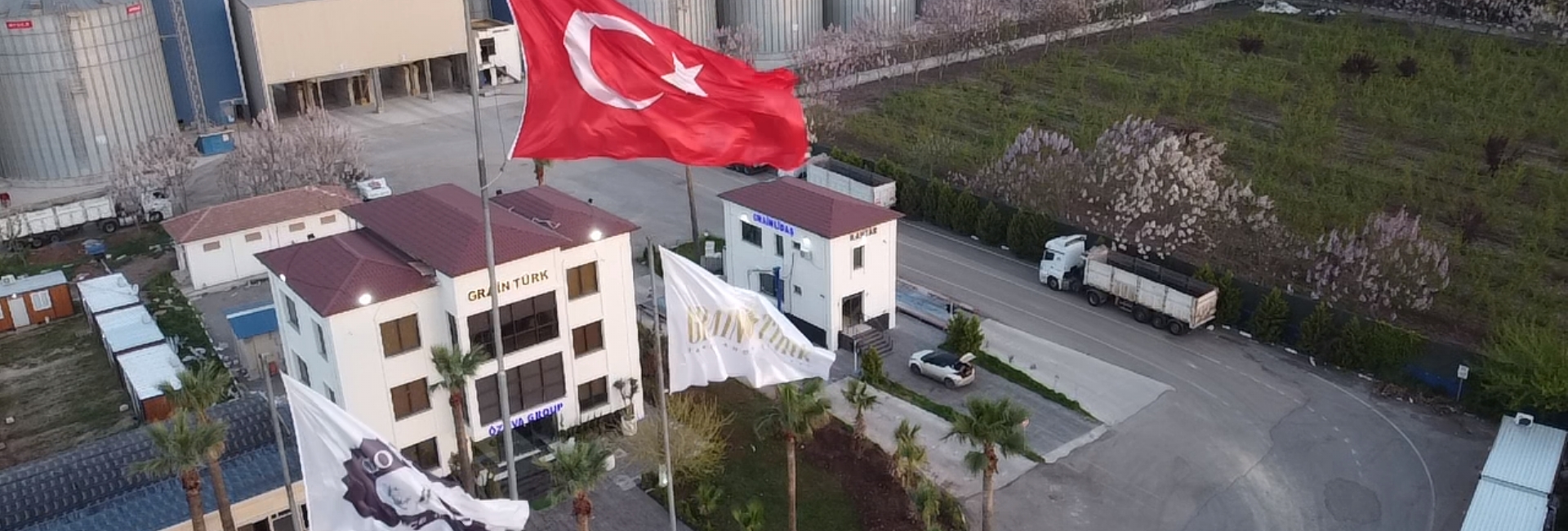
Kırıkhan’s history dates back to 3,000 BC. Kırıkhan, a city at the intersection of trade routes from the Mediterranean to the east, served as a settlement during the Ottoman Empire, as roads from İskenderun to Aleppo, from Antakya to Kahramanmaraş, and from Gaziantep passed through here. It continued to develop as a settlement during the Ottoman Empire.
In the late Ottoman Empire, Kırıkhan was a sub-district of the Belen district, becoming a district center in 1924. It came under the administration of the Republic of Turkey in 1939.
There are two differing theories about the origin of the name Kırıkhan. One is that Kırk-han, built for caravan stopovers during periods of high trade, and the other is that it once housed a caravanserai, which was in disrepair and dilapidated.
Kırıkhan is bordered by Syria and Kumlu to the east, Belen to the west, Hassa to the north, and Antakya and Kumlu to the south.
Its climate is typically Mediterranean, with mild, rainy winters and hot, dry summers.
Kırıkhan, as an agricultural region, relies heavily on agriculture for the population’s income. While livestock farming was the primary source of income before the 1980s, the fertile lands reclaimed from the draining of Lake Amik have led farmers to turn to growing crops such as cotton, wheat, and corn.
Kırıkhan boasts the largest land area in the province, as well as the largest irrigable land area. Rich in nutrients and suitable for all types of agriculture, these agricultural lands are primarily cultivated for cotton, wheat, and corn. Furthermore, thanks to the District Directorate of Agriculture’s extension efforts, in recent years, Kırıkhan farmers have embraced tunnel and open-field melon farming, open-field vegetable farming, and second-crop corn farming. Their economic importance has led to their widespread and increasing cultivation.